1. Why does tooth pain come and go?
Tooth pain often fluctuates due to specific triggers like temperature changes or biting, or because the underlying issue, such as a crack or early infection, is not constantly active.
2. Can sinus problems cause intermittent tooth pain?
Yes, sinus pressure or infection can cause a dull, intermittent ache in the upper back teeth, which often worsens with head movement. Dr. Karnik Shah can help determine if it's dental or sinus-related.
3. Is intermittent tooth pain always serious?
Not always, but it always warrants investigation. It could be minor inflammation (reversible pulpitis) or something more serious like a cracked tooth or developing infection.
4. What is reversible pulpitis?
Reversible pulpitis is a mild inflammation of the tooth's pulp that can cause temporary sensitivity. It usually resolves if the irritant, like a cavity, is removed by Dr. Karnik Shah.
5. What are the signs of a cracked tooth?
Signs include sharp pain when biting or releasing, sensitivity to hot/cold, and inconsistent pain that appears only under specific conditions.
6. Should I go to the emergency dentist for on-and-off pain?
Seek emergency dental care if intermittent pain is severe, accompanied by swelling, fever, or difficulty swallowing. Dr. Karnik Shah addresses such emergencies promptly.
7. Can gum disease cause pain that comes and goes?
Yes, inflamed gums from gingivitis or periodontitis can cause a fluctuating ache or sensitivity, especially during brushing or eating.
8. What should I do if my tooth pain disappears?
Even if the pain subsides, schedule an appointment with Dr. Karnik Shah. The underlying problem is likely still present and requires professional diagnosis.
9. Will a painkiller fix my intermittent tooth pain?
Painkillers can offer temporary relief but do not address the root cause of the intermittent pain. A dental evaluation by Dr. Karnik Shah is essential for proper treatment.
10. How can Dr. Karnik Shah diagnose fluctuating tooth pain?
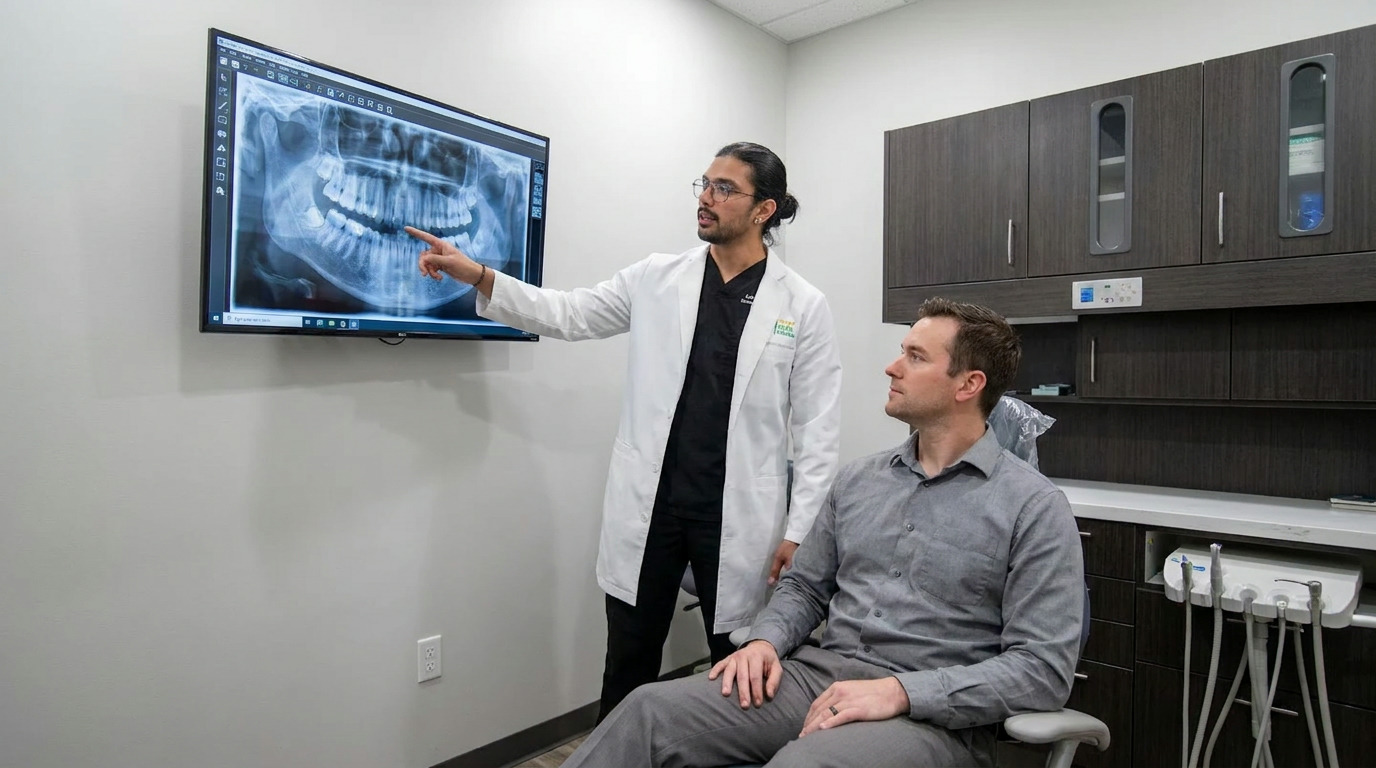
Dr. Karnik Shah uses a combination of clinical examination, X-rays, and specific tests like biting pressure or temperature sensitivity to accurately diagnose the cause of intermittent tooth pain.