Back to Blogs

What to Do When Your Dental Crown Breaks

Protect an exposed tooth after a broken dental crown by keeping fragments safe and scheduling prompt restorative care.

November 2, 2026
•
2 min read
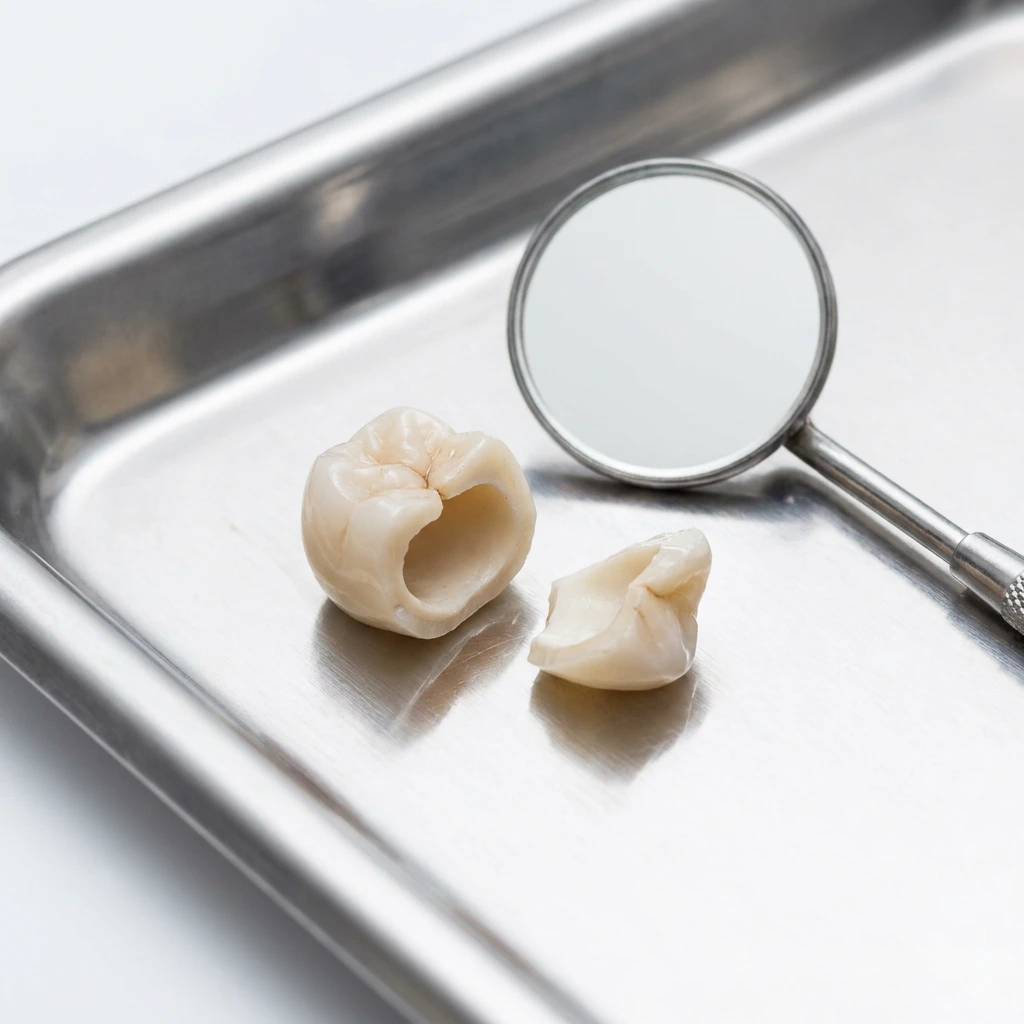
A cracked porcelain dental crown in two pieces on a stainless steel dental tray beside a mouth mirror.
Back to Blogs

What to Do When Your Dental Crown Breaks

A cracked porcelain dental crown in two pieces on a stainless steel dental tray beside a mouth mirror.

Protect an exposed tooth after a broken dental crown by keeping fragments safe and scheduling prompt restorative care.

November 2, 2026
•
2 min read

What to Do When a Dental Crown Breaks

When a dental crown breaks, carefully remove any dislodged fragments from your mouth to avoid swallowing or inhaling them. Gently rinse your mouth with warm water, store any recovered pieces in a clean container, and contact a dentist promptly to schedule an urgent evaluation before the exposed tooth sustains further structural damage.

A fractured restoration leaves the delicate natural tooth underneath vulnerable to oral bacteria, chewing pressure, and temperature extremes. The prepared tooth structure beneath the cap is softer than enamel, which means delay increases your risk of deeper dental decay or nerve inflammation. Reaching out to a dental provider quickly helps preserve the natural foundation of your smile.

At Clover Smile Studio, Dr. Karnik Shah regularly assists patients throughout Austin and Round Rock dealing with unexpected dental damage. Scheduling an urgent evaluation helps ensure your exposed tooth is quickly shielded from further trauma while your clinical team determines the best restorative path forward.

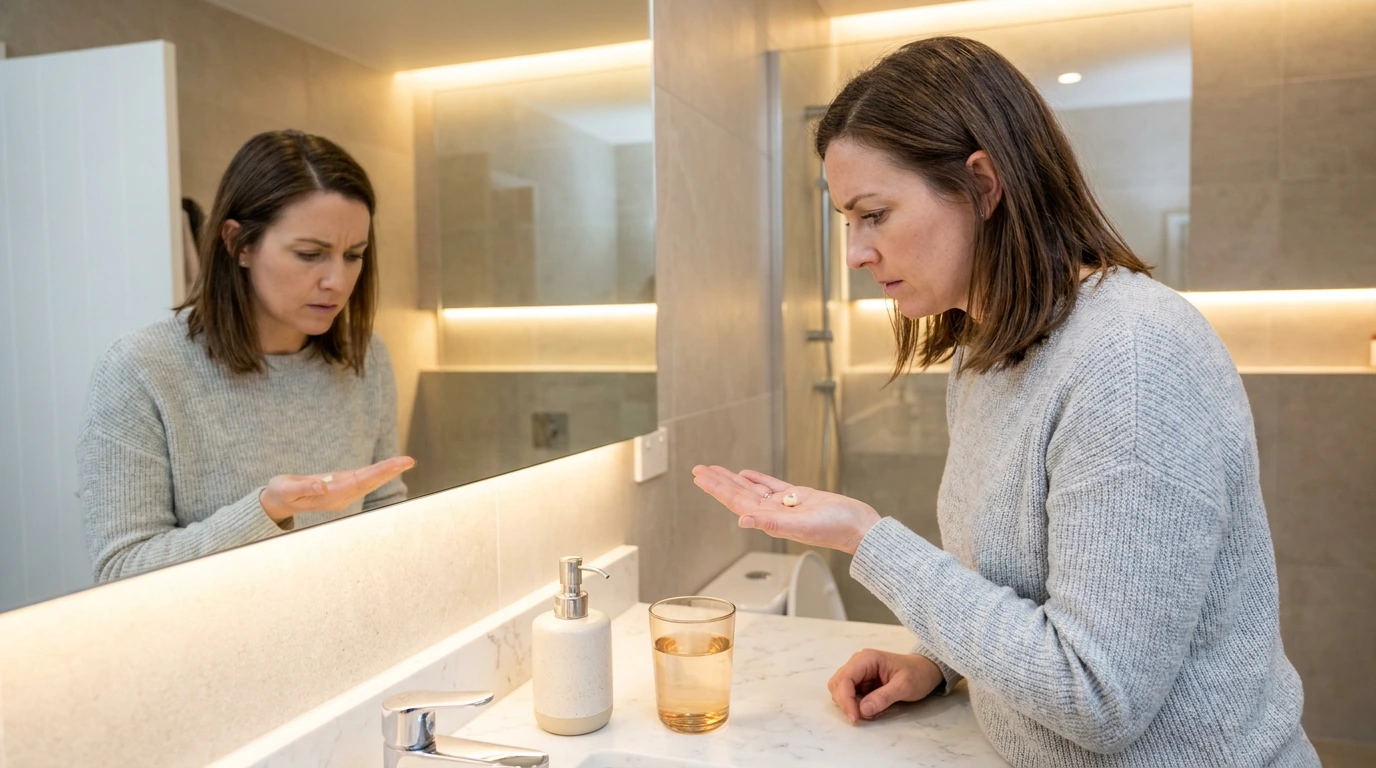
A woman stands at a bathroom counter in a grey sweater, looking down at a small dental crown held in her palm beside a glass of water.

How to Handle a Broken Crown at Home

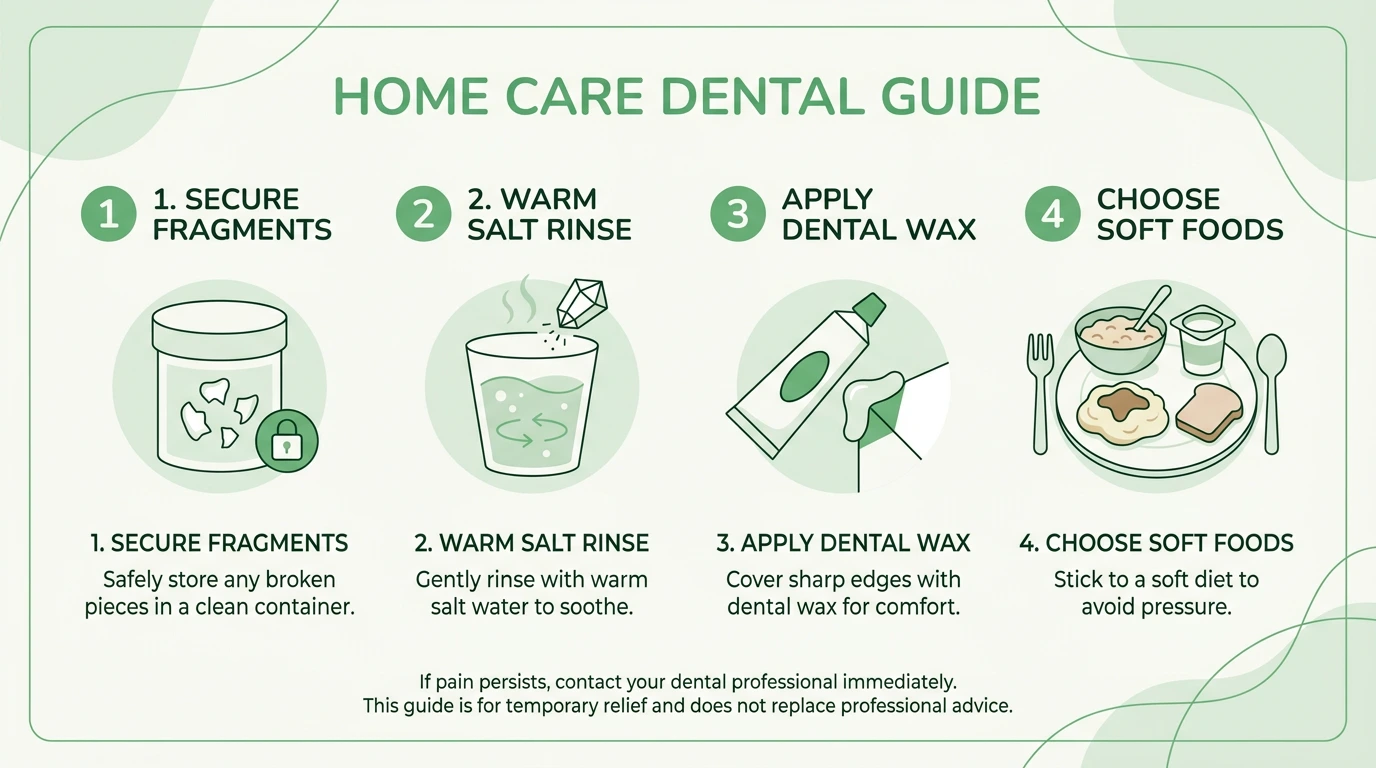
Handling a broken restoration at home requires protecting your vulnerable underlying tooth and managing sensitivity. Keep the area clean by gently rinsing, avoid chewing food on that side of your mouth, cover sharp edges with dental wax, and store any recovered fragments safely until your dentist can examine your tooth.

Taking the right initial precautions minimizes discomfort and prevents accidental damage to your tongue, cheeks, and remaining tooth structure. Never attempt to force a cracked piece back into place using household adhesives, as hardware glues contain harmful chemicals that irritate the tooth pulp and make professional repair more difficult.

Immediate Steps for Tooth Protection

  • Retrieve and secure the pieces: Gather all broken porcelain or metal fragments, rinse them gently, and store them in a secure, clean container to bring to your visit.
  • Rinse with warm water: Flush your mouth gently using lukewarm salt water to wash away loose debris and soothe tender gum tissue around the preparation margin.
  • Shield exposed margins: Apply a small dab of over-the-counter dental wax or sugar-free gum over any jagged edges to prevent cuts to your tongue or inner cheek.
  • Adjust your chewing habits: Eat only soft foods and avoid chewing on the affected side entirely until your dentist has evaluated the damage.

Practicing careful temporary home care prevents secondary complications while you arrange an office visit.

A green and white infographic outlines four home dental care steps: securing broken fragments in a container, rinsing with warm salt water, applying protective wax, and choosing soft foods.

Why Did My Dental Crown Break or Fall Off?

A dental crown typically breaks or loosens due to recurrent tooth decay forming underneath the margins, chronic nighttime teeth grinding, or sudden trauma from biting into hard foods. Over time, dental cement can also degrade, allowing bacteria to enter and weakening the bond between your crown and the underlying tooth.

While modern dental crowns are crafted from resilient restorative materials, they still face significant mechanical demands every day. Normal biting forces generate considerable stress, and changes in the underlying natural tooth can compromise an otherwise sturdy restoration.

Common Causes of Crown Failure

  • Recurrent tooth decay: Plaque bacteria can sneak beneath the margin where the crown meets the gumline, softening the supporting tooth until the restoration loses its grip.
  • Chronic bruxism: Habitual clenching or grinding subjects ceramic materials to excessive bite forces, which can cause fatigue fractures or chip the outer porcelain layer.
  • Physical trauma or hard foods: Chewing on hard candies, ice, unpopped popcorn kernels, or experiencing an impact injury can immediately crack a restorative cap.
  • Luting cement breakdown: Saliva and natural wear can slowly dissolve dental cement over many years, causing the crown to loosen and eventually dislodge completely.

Pinpointing why the dental crown fell off or broke enables your dentist to fix the root issue rather than just replacing the crown.

A light gray callout box features the text Common Causes of Crown Failure framed by quote marks and small icons of a cracked tooth, shield, leaves, and a gear.

Is a Broken Dental Crown a Dental Emergency?

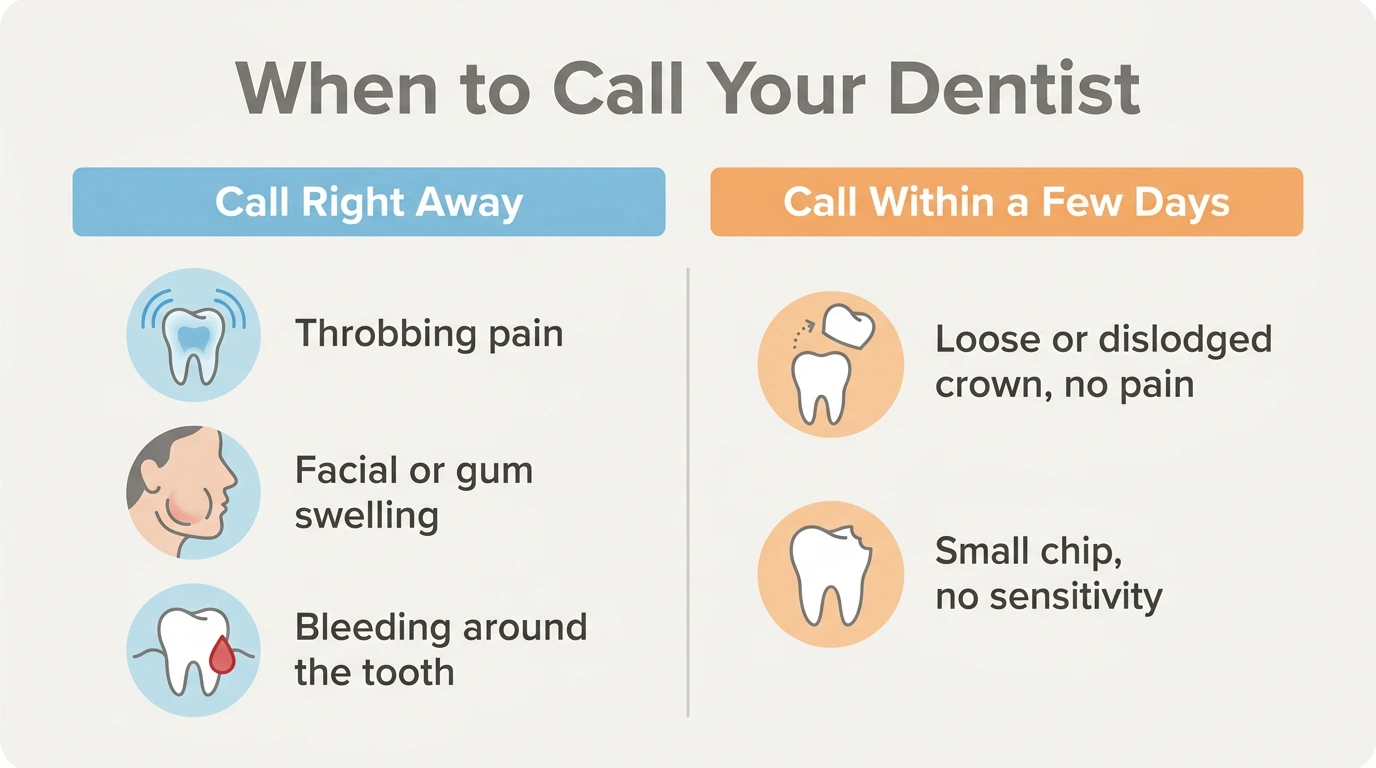
A damaged crown is an urgent dental issue that requires prompt attention, especially if you experience sharp pain, swelling, or exposed jagged edges. While not a hospital emergency, delaying professional evaluation can allow oral bacteria to rapidly infect the uncovered tooth pulp, leading to deeper complications and more extensive treatments.

You should prioritize seeking emergency dentistry if you experience throbbing tooth pain, sudden facial swelling, or significant bleeding around the gumline. These symptoms frequently indicate that the inner nerve of the tooth is exposed or inflamed, requiring swift clinical intervention to provide lasting relief.

Even if you are not experiencing noticeable pain, a cracked dental crown should never be ignored for weeks. Unprotected dentin can decay rapidly, and the adjacent teeth may gradually shift into the open space, complicating the placement of a new restoration. Scheduling an appointment with your dentist within a few days keeps your treatment straightforward and conservative.

Infographic titled When to Call Your Dentist, listing throbbing pain, swelling and bleeding as reasons to call right away and a loose crown or small chip as reasons to call within a few days.

Schedule Your Crown Repair Appointment

If your dental crown has broken, cracked, or fallen off, do not wait for discomfort or complications to develop. Contact our team at Clover Smile Studio today to schedule an evaluation with Dr. Karnik Shah and restore your smile.

Clover Smile Studio reception desk in front of a stone accent wall with the clover logo.

Can a Broken Crown Be Repaired or Replaced?

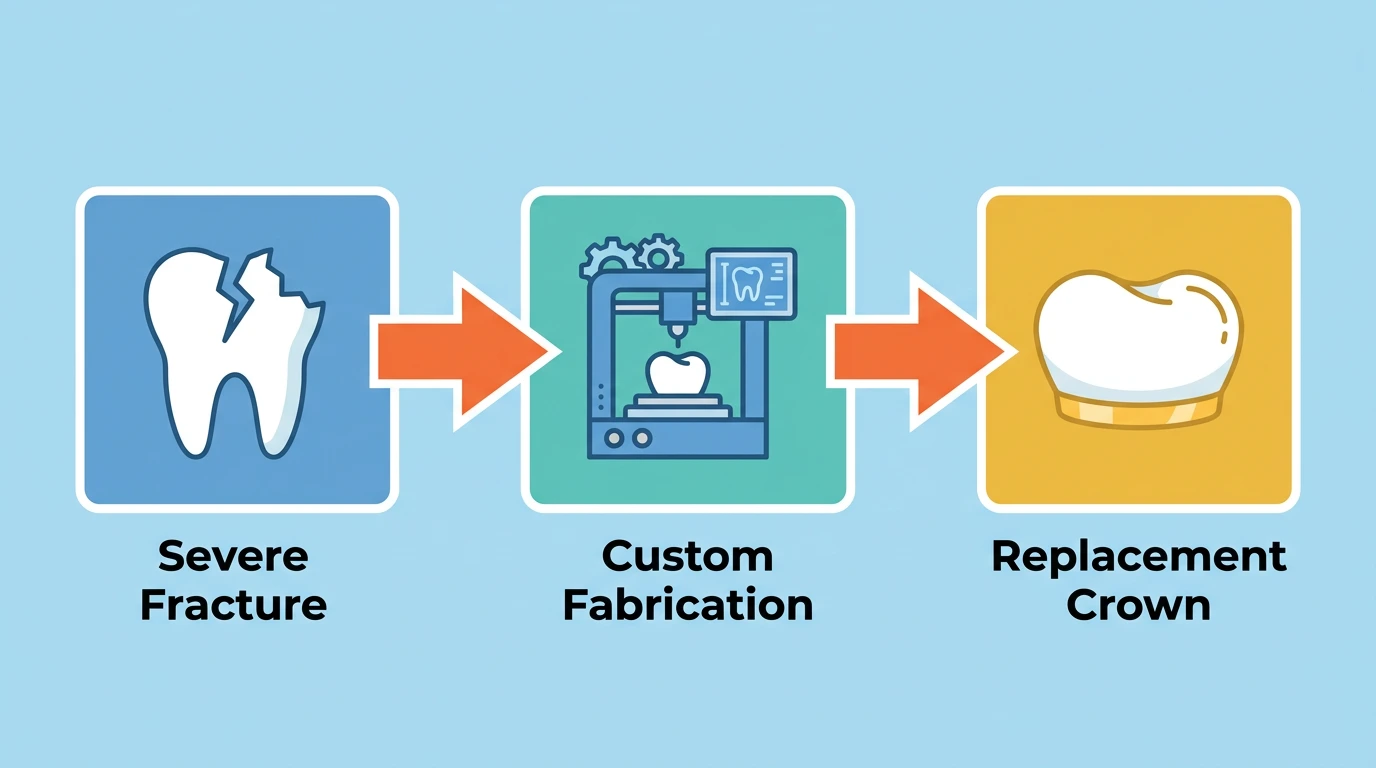
Whether a damaged crown can be repaired or requires full replacement depends on the extent of the fracture and underlying tooth stability. While minor porcelain chipping can sometimes be smoothed or bonded, significant fractures or crowns compromised by decay require complete replacement to ensure proper bite function and long-term protection.

When you arrive for your visit, your dental team will thoroughly assess both the restoration fragments and the biological tooth underneath. If the restoration came off completely intact and the natural abutment is free of new decay, simple recementation might be possible. However, structural cracks across the chewing surface generally require a brand-new custom cap.

Common Restorative Solutions

  • Professional recementation: If the crown is undamaged and the natural tooth underneath is healthy, your dentist can clean the area and securely recement the original restoration.
  • Minor composite bonding: Tiny surface chips that do not compromise the structural seal may sometimes be smoothed down or repaired using tooth-colored composite resin.
  • Complete crown replacement: For major fractures, your dentist will prepare the tooth for new dental crowns that match your natural smile aesthetics.
  • Root canal therapy: If bacteria reached the inner pulp chamber, root canal therapy may be needed before placing a protective replacement crown.

Investing in a durable replacement crown restores the full strength of your bite and seals out harmful oral bacteria.

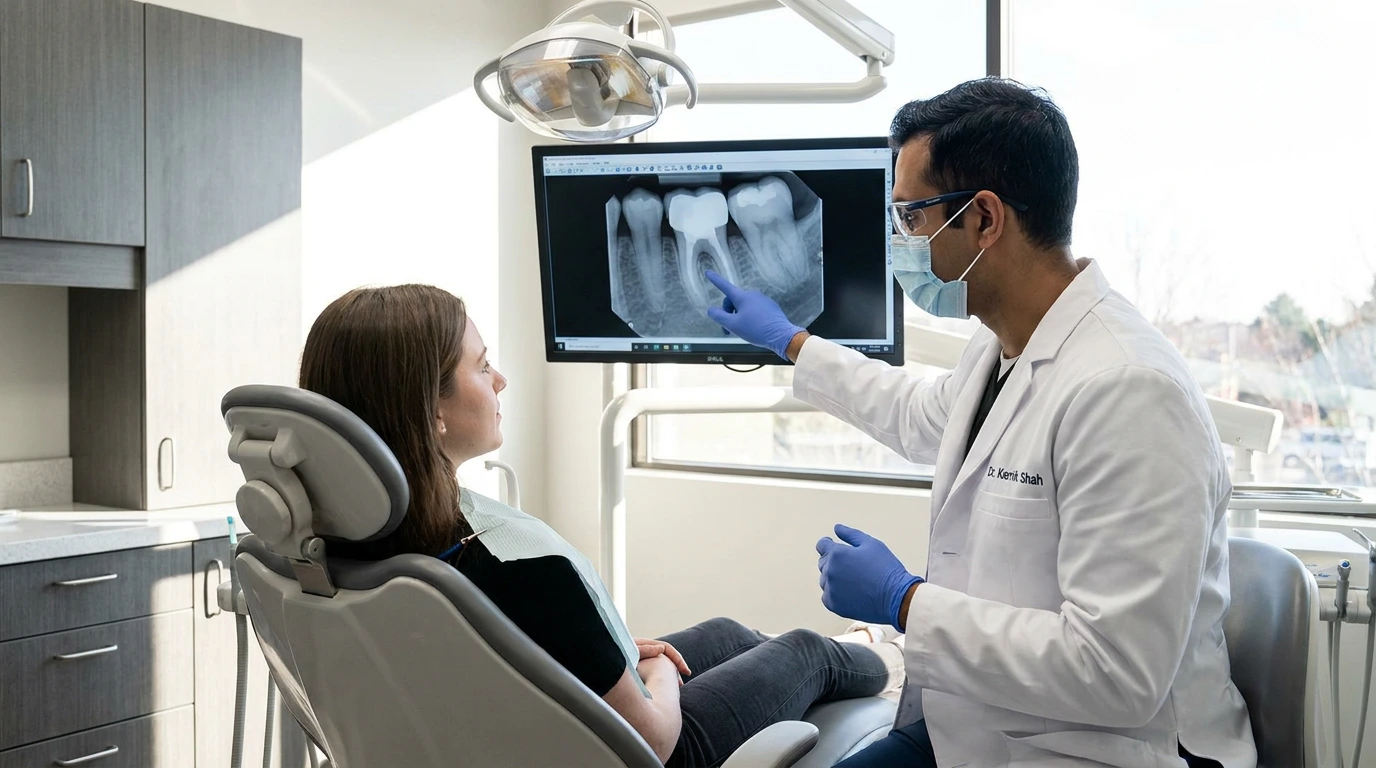
Dr. Karnik Shah wears a lab coat and blue gloves as he points to a dental X-ray on a monitor for a patient seated in the dental chair.

What to Expect During Your Dental Crown Appointment

During your restorative appointment, your dentist will examine the remaining natural tooth structure, take diagnostic images, and clear away residual cement. Depending on the condition of your tooth, he will either recement your intact crown or prepare the site for a durable, custom-crafted replacement restoration designed for long-term comfort.

Your visit begins with a thorough clinical examination and diagnostic imaging to confirm the health of the underlying root and surrounding bone. If decay is present beneath the old crown margin, Dr. Shah will gently remove the compromised tissue and rebuild the core foundation to ensure stable retention.

Many modern practices offer same-day dentistry solutions, allowing patients to complete their exam and walk out with a fully restored tooth in a single visit. If a multi-step approach is needed, your dentist will place a comfortable temporary restoration to protect your tooth while your custom crown is crafted.

Diagram of the crown replacement process from a severe tooth fracture through custom fabrication to a replacement crown.

How to Prevent Your Dental Crown From Breaking Again

Preventing future crown damage involves practicing diligent daily oral hygiene, adjusting dietary habits, and shielding your teeth from excessive bite pressure. Flossing carefully around the restoration margins, avoiding chewing on ice or non-food items, and wearing a custom oral appliance if you grind your teeth will help your restoration last.

Maintaining your restorations does not require complex routines, but consistency is essential. Focusing on the seam where the dental porcelain meets your natural enamel helps prevent the bacterial infiltration that causes cement to fail prematurely.

Daily Habits for Crown Longevity

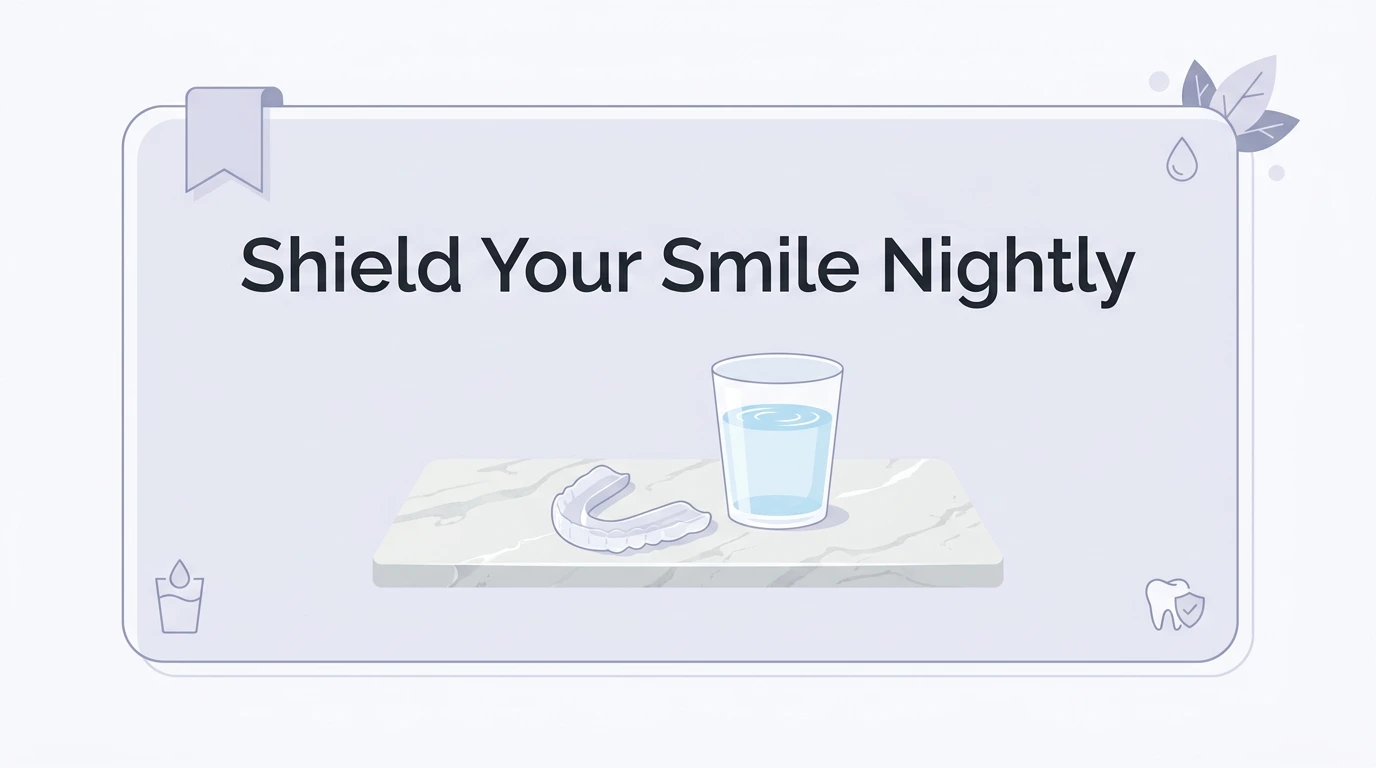
  • Wear a protective night guard: If you clench or grind while sleeping, using custom night guards cushions your restorations against intense mechanical stress.
  • Practice thorough margin hygiene: Brush twice daily with a soft-bristled brush and floss daily around the crown margin to remove plaque from vulnerable edges.
  • Avoid destructive chewing habits: Never use your teeth as tools to open packages, and avoid biting hard objects like pen caps, ice cubes, or hard kernels.
  • Keep regular preventive visits: Scheduling routine cleanings allows your dentist to check the integrity of your restorations and catch minor wear early.

Adopting these protective steps helps ensure long-lasting crown performance and protects your smile investment for years.

A clear dental night guard and a glass of water sit on a marble tray inside a framed graphic that reads Shield Your Smile Nightly.

Restoring Your Smile in Austin and Round Rock

Experiencing a damaged dental restoration can disrupt your routine, but modern restorative dentistry makes recovery straightforward. The most important step after noticing a loose or cracked cap is acting promptly before bacteria compromise the underlying tooth structure. Avoiding hard foods, protecting the area at home, and scheduling an urgent professional assessment will help keep your natural tooth secure.

At Clover Smile Studio, Dr. Karnik Shah provides comprehensive restorative solutions tailored to each patient's individual needs. Serving communities across Austin and Round Rock, our practice combines gentle, patient-focused care with modern clinical techniques to rebuild broken teeth comfortably. Whether your situation calls for recementing a dislodged cap or designing a custom replacement, addressing the issue early protects your overall oral health. If your restoration feels loose, cracked, or has come off entirely, please reach out right away to protect your smile.

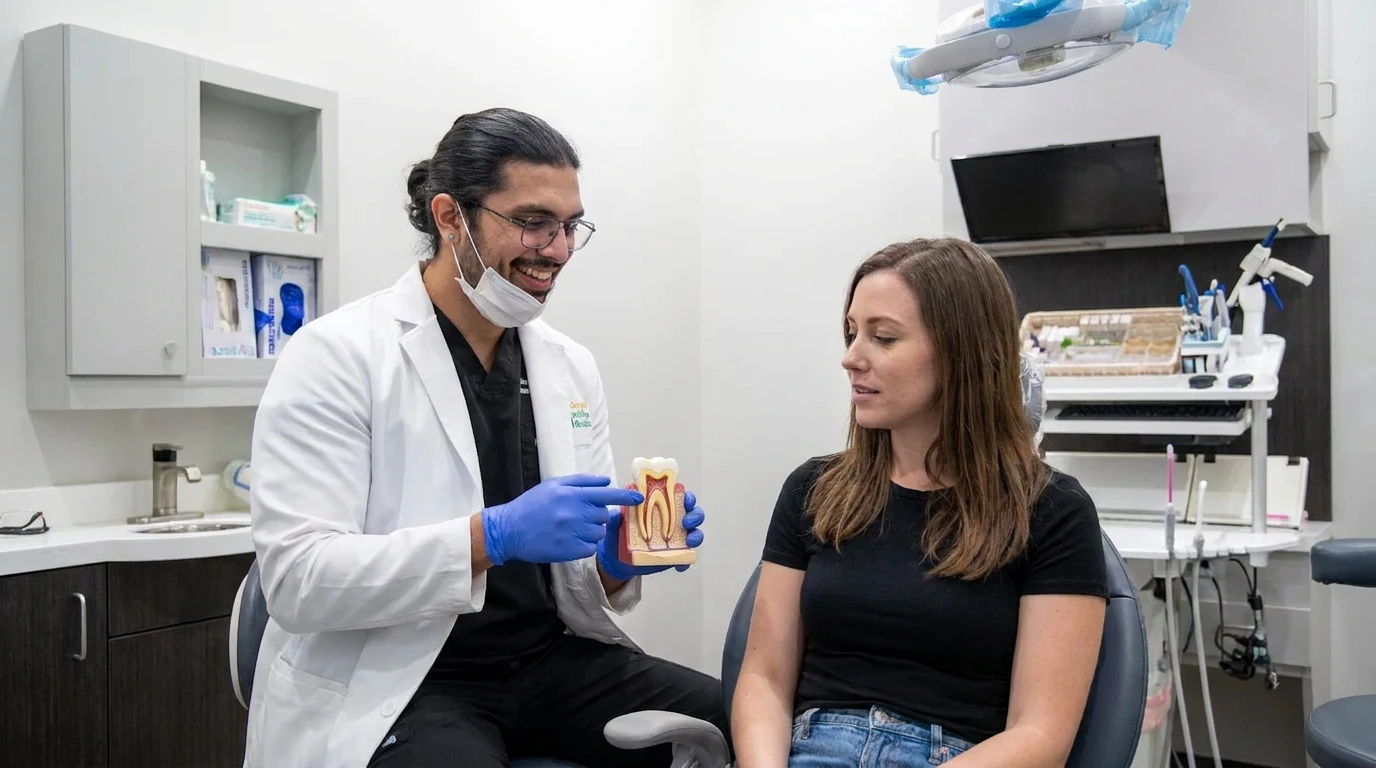
Dr. Karnik Shah holds an anatomical tooth model while explaining it to a patient in a modern dental office.

Frequently Asked Questions

1. My crown broke. What should I do first?
Carefully remove any loose fragments from your mouth so you do not swallow them. Rinse your mouth with warm water, save any pieces in a clean container, and contact our team to schedule an evaluation.

2. How long can I wait to fix a broken crown?
You should see a dentist within a few days of breaking a crown. Leaving the natural tooth uncovered exposes dentin to bacteria, which can quickly lead to painful sensitivity, decay, and nerve infection.

3. Can a broken dental crown be glued back on?
Yes, if the crown came off intact and the tooth underneath is healthy, your dentist can often recement it. Never use household glues, as they are toxic and damage natural tooth structure.

4. What happens if I accidentally swallow a dental crown?
Swallowed crowns usually pass harmlessly through the digestive tract. However, you should still schedule a dental visit promptly so your dentist can assess your exposed tooth and prepare a replacement.

5. Is an emergency crown repair painful?
Dental crown repair is designed for comfort. Your dentist will administer local numbing to ensure you feel minimal discomfort during the examination, cleaning, and restoration process.

6. Can a chipped porcelain crown be smoothed down?
Small surface chips on porcelain crowns that do not compromise the seal or structural integrity can often be smoothed down or repaired with composite material by your dentist.

7. Why did my crown fall off if there was no pain?
Crowns often dislodge because the dental cement dissolved over time or mild decay weakened the bond beneath the surface, which does not always cause noticeable pain initially.

8. How do I temporarily protect an exposed tooth?
You can cover sharp edges and shield exposed dentin by placing a small piece of over-the-counter dental wax or temporary dental cement over the area until your appointment.

9. Will I need a root canal if my crown broke?
Not necessarily. A root canal is only needed if the fracture or underlying decay reaches the inner nerve pulp chamber of the natural tooth.

10. How long does a replacement dental crown last?
With diligent oral hygiene, routine dental checkups, and protection against nighttime teeth grinding, a high-quality replacement dental crown can last for many years.

Related Blog Posts

Stay Informed with Expert Insights & Tips About Dental Care

Tyler sits on a couch at night, pressing his hand to his cheek with a pained expression, illuminated by a warm lamp.
10.7.2026

Why Does Tooth Pain Come and Go?

Intermittent tooth pain signals underlying issues like cracks or gum disease; prompt dental diagnosis is crucial even if discomfort subsides temporarily.

Caleb sits at a wooden desk with a laptop, papers, and an open notebook, holding a patterned ice pack to his jaw with a pained expression while wearing an olive button-down shirt.
9.3.2026

5 Signs You May Have a Cracked Tooth

Understanding subtle signs like intermittent pain, temperature sensitivity, or gum swelling is crucial for early detection and treatment of a cracked tooth.

Ashley sips water from a glass, checking a dental appointment reminder on her phone at a dining table.
8.5.2026

Eating Before Wisdom Teeth Removal Guidelines

Understanding and adhering to fasting guidelines before wisdom teeth removal is crucial for safety, preventing complications like aspiration during sedation.

Don’t just take our word for it

Hear from some of our amazing patients.

    I am beyond thrilled with the results of my recent dental treatment with Dr. Shah! I had a complex crown procedure done, and from start to finish, Dr. Shah's expertise and care made all the difference.
    Chirag P.
    Compassionate & professional. Dr. Shah is very professional and goes an extra mile to make sure you are at ease and comfortable. Will always briefly explain what needs to be done and will provide valuable advice.
    Vavita D.
    I highly recommend DrShah he truly cares about your dental care. I don’t trust anyone  else with my teeth I have been going to him for years. Visit his website, make a appointment you won’t regret it.
    Melissa N.
VISIT US
16009 FM 1325 Suite 200 Austin TX 78728
CALL US
(512) 212-1112
EMAIL US
cloversmileatx@gmail.com
OFFICE HOURS
Monday - Friday
8:00 AM - 5:00 PM
Weekend
Closed

Make An Appointment

Thank you! Your submission has been received!
Oops! Something went wrong while submitting the form.