Expert dental tips, news, and smile advice

Expert dental tips, news, and smile advice
Melissa noticed it on a random Tuesday morning, standing barefoot in her bathroom, toothbrush still buzzing, sunlight catching her smile in a way it never had before. Her teeth were not yellow exactly, just… dull, like a favorite white shirt that had been washed too many times. She tilted her head, smiled again, frowned, and thought, “I brush twice a day. Why do my teeth still look stained?”
She replayed yesterday in her head, coffee during her commute, iced tea at lunch, a glass of red wine while scrolling Netflix. None of it felt excessive. And yet, here she was, pressing her lips together before work calls, suddenly aware of something she could not unsee.

What unsettled Melissa most was not vanity, it was confusion. She had done everything right, or so she thought. Good toothpaste, electric brush, even floss most nights. But tooth stains are sneaky. They do not play by the same rules as plaque.
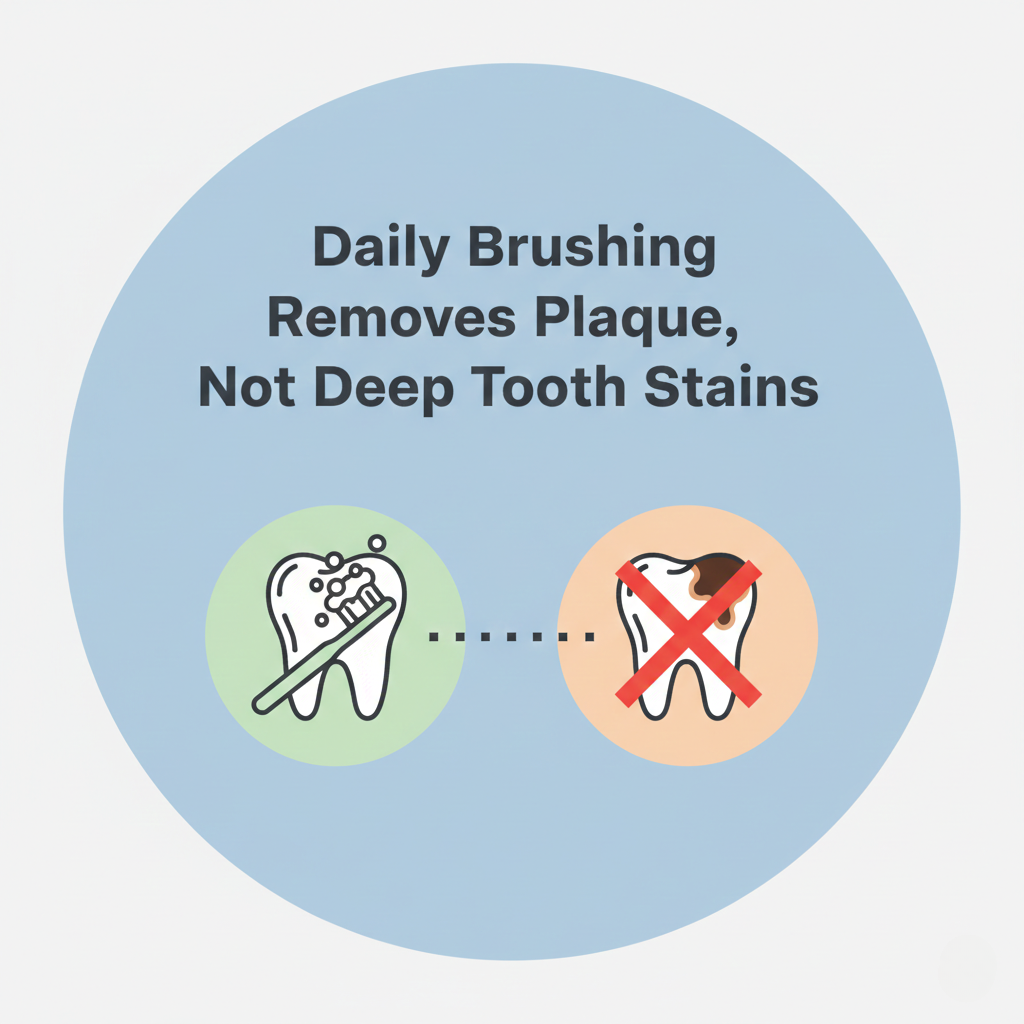
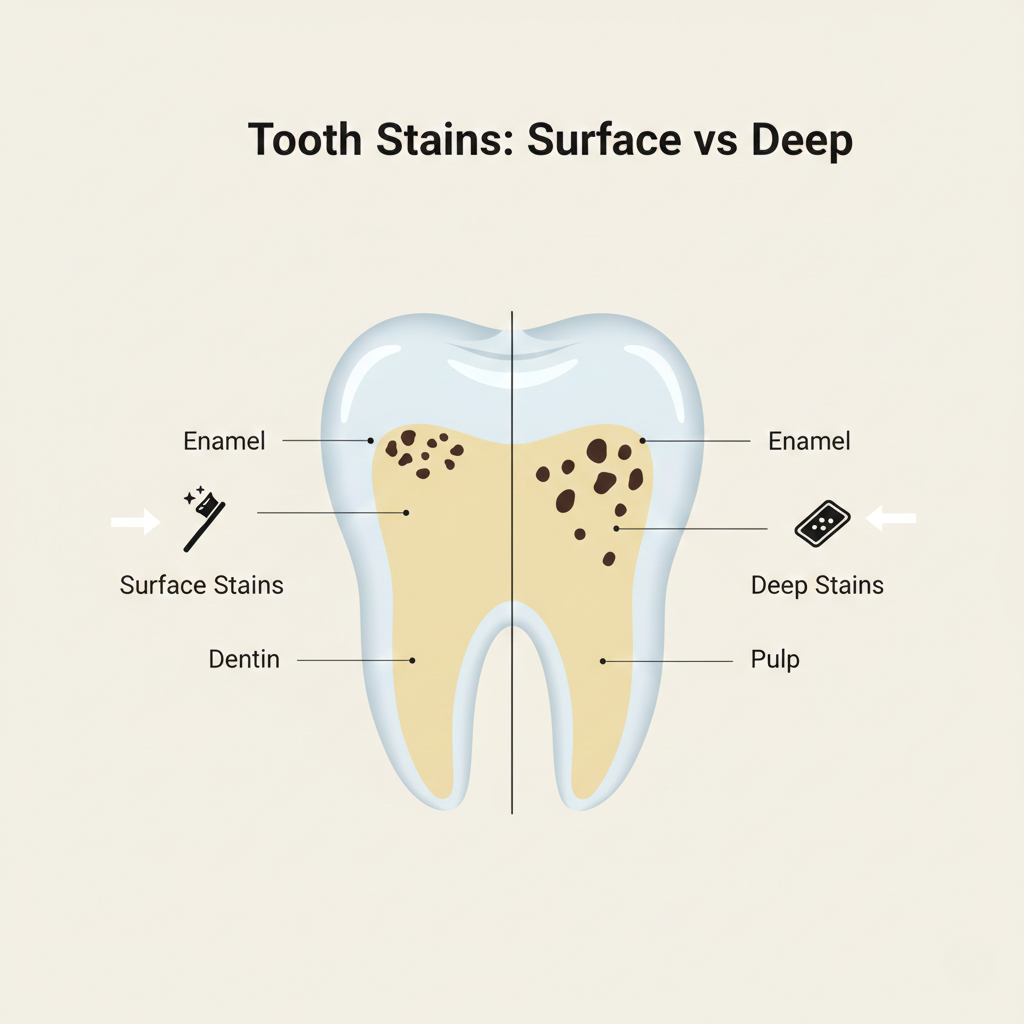
Some stains live on the surface, clinging like coffee rings on a mug. Others sink deeper into the tooth, settling into microscopic pores in the enamel. Think of enamel like a white sponge sealed with wax. Over time, that wax thins. Color seeps in. Brushing scrubs the outside, but it cannot pull color back out once it settles underneath.
That realization often surprises patients during routine visits for cleanings and checkups. Professional cleanings remove surface stains, but deeper discoloration needs a different approach.
Melissa did not talk about it right away. She just adjusted. Closed-mouth smiles in photos, standing a little farther from cameras, angling her face during Zoom calls. None of this felt dramatic, but it added up.
Tooth discoloration does that. It creeps into confidence. You might not hate your smile, you just stop enjoying it. Patients often describe it as feeling “less polished” or “not like myself anymore.” And that emotional weight matters just as much as the color itself.
When Melissa finally mentioned it during her next appointment, she expected a lecture about coffee. Instead, she got empathy. Stained teeth are common, especially in adults who actually live their lives.

Once Melissa understood there was not one single cause, everything clicked. Tooth stains usually fall into three categories.
Extrinsic stains sit on the surface. Coffee, tea, wine, soda, berries, tobacco. These often respond well to professional polishing or whitening.
Intrinsic stains live inside the tooth. These can come from aging, childhood medications, trauma, or even genetics. Whitening may help, but not always fully.
Combination stains are the most common. A little surface buildup layered over deeper discoloration. These need a customized plan, not a one-size-fits-all solution.
This is where treatments start to diverge, from whitening to cosmetic restorations like porcelain veneers.
If stained teeth have been quietly affecting how you smile, you deserve answers that feel personal and pressure-free. A thoughtful consultation can reveal which solution fits your life, your goals, and your comfort level, helping your smile feel like home again.
Discover the best solution for your smile at Clover Smile Studio. Schedule your appointment now and let our expert team guide you to a confident, healthy smile.

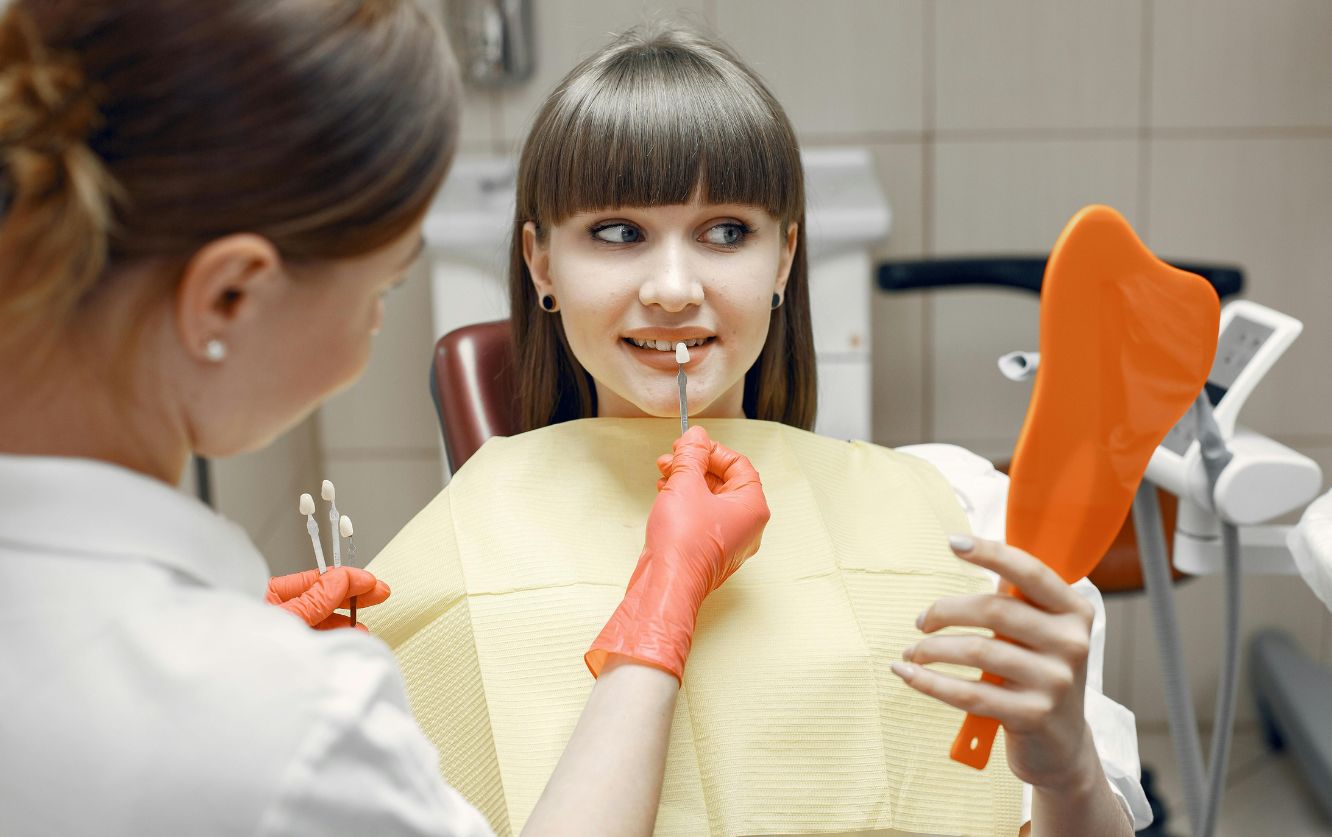
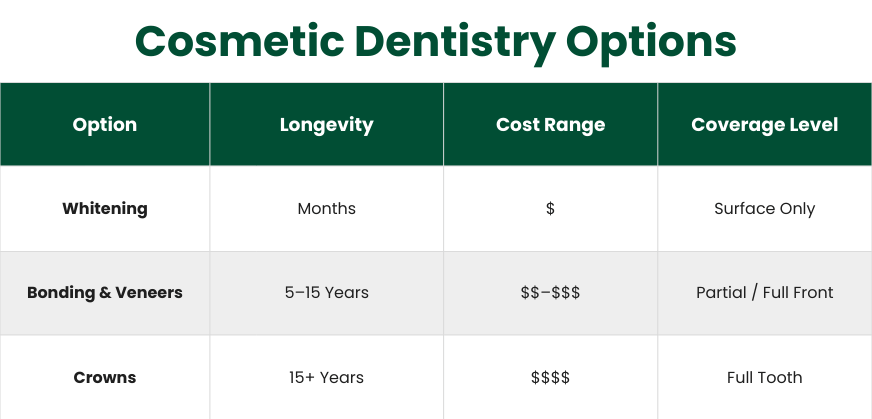
Melissa initially assumed teeth whitening was the only option. It is often the first step, but not always the final answer. Professional teeth whitening can dramatically brighten smiles, especially when stains are mostly extrinsic. The difference between store kits and in-office treatments is like comparing drugstore hair dye to a professional colorist.
But for stubborn stains, dentists sometimes recommend bonding, veneers, or crowns. Composite bonding can mask discoloration conservatively. Veneers offer a more complete transformation for deeply stained teeth. And for structurally compromised teeth, dental crowns provide both strength and aesthetics.
The key moment for Melissa was realizing solutions scale, from simple to comprehensive, based on what your teeth actually need.

Halfway through the conversation, Melissa paused and said, “I just want my smile to feel like me again.” That sentence matters. Because treatment decisions are not about the whitest shade possible. They are about alignment with your lifestyle, budget, and comfort.
She chose professional teeth whitening first, paired with lifestyle adjustments and regular cleanings. It felt manageable, reversible, and low-pressure.
This is often the moment when patients decide to move forward, scheduling a consultation or reaching out through the contact page.

Two weeks later, Melissa noticed the change while laughing at something small. She smiled without thinking, which is the real win. Her teeth were brighter, yes, but more importantly, they looked healthy and intentional.
Maintenance became part of her routine, not a burden. Occasional touch-ups, mindful sipping habits, consistent cleanings. No perfection required, just awareness.
Stained teeth solutions work best when they support real life, coffee included.

One final insight surprised Melissa. Sometimes discoloration is not just cosmetic. Darkening teeth can signal enamel wear, old restorations, or internal damage. That is why evaluation matters, especially if stains appear suddenly or unevenly.
Dentists look beyond color, assessing structure, health, and long-term stability. Addressing stains can uncover opportunities to protect teeth for years to come.
Melissa left feeling informed, not sold to. And that feeling is often what patients remember most.
Why Are My Teeth Stained Even Though I Brush Twice A Day?
Brushing removes plaque but cannot always remove deep stains inside enamel. Beverages, aging, and genetics all contribute to discoloration that needs professional solutions.
Do Professional Teeth Whitening Treatments Hurt?
Most patients experience little to no discomfort. Any sensitivity is usually temporary and managed with customized whitening protocols.
How Long Do Whitening Results Last?
With good habits and regular cleanings, results often last one to two years. Touch-ups can extend brightness even longer.
Are Veneers Better Than Whitening For Stained Teeth?
Veneers are ideal for deep intrinsic stains or uneven color. Whitening works well for surface stains. The best option depends on your specific teeth.
Does Insurance Cover Treatment For Tooth Stains?
Whitening is typically cosmetic and not covered. Other treatments may be partially covered if they address structural or health concerns.